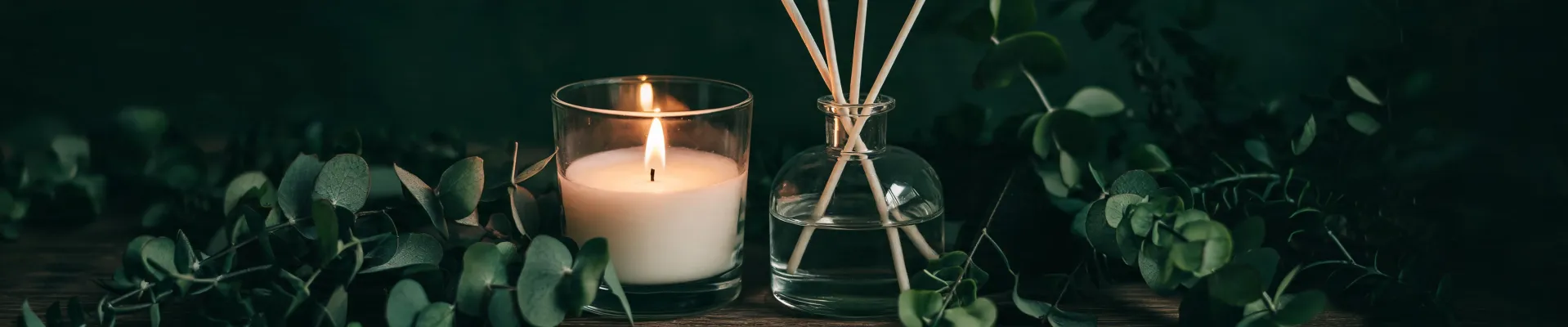
What Is the Corporate Gift Trend in 2025? Large Diptyque Candles, Hourglass Diffusers, and Vase / Crystal Gifts
2026-09-04 by Elise Laurent
-
What Is the Corporate Gift Trend in 2025? It Depends on Context
-
Scenario 1: Executive Gifts for Five to Twenty-Five Key People
-
Scenario 2: Employee or Partner Gifts When the Order Is Over Fifty
-
Scenario 3: Event Gifts and Gifts That Need to Be Seen
-
How Do You Know Which Scenario You're In?
-
The Checklist That Stops the Expensive Mistakes
I've handled corporate gift orders for eight years, and I've personally made enough expensive mistakes to fill a small spreadsheet. Eleven significant ones, to be exact, totaling roughly $23,000 in wasted budget. I keep that list in a checklist so newer team members don't have to repeat my errors.
The most frequent question I get at the start of the year is "What is the corporate gift trend in 2025?" There's a reason that question is impossible to answer with one product name. The right gift changes depending on whether you're sending it to a CEO, putting it in a box with 300 similar boxes, or leaving it on a hotel desk before a meeting.
So here's the version of the trend I can defend: in 2025, corporate gifts are moving away from branded clutter and toward objects the recipient would choose for their own home or office. Large diptyque candles, the diptyque hourglass diffuser, vases and crystal gifts all belong in that conversation. They just don't all belong in the same order.
What Is the Corporate Gift Trend in 2025? It Depends on Context
A $200 candle is a win for someone who loves fragrance. That same candle becomes a burden for someone with sensitivities. Vendors will always say candles are in style, but their job is to sell candles. Yours is to make the recipient feel recognized. If you work backward from that, the trend starts to look less like a product and more like a decision process.
The real pattern I noticed in order requests from Q3 2024 through Q1 2025: companies are becoming less interested in logo-covered promotional items and more interested in quiet luxury. They want gifts that do not scream "corporate." That is why the same brand can show up in so many different 2025 gift strategies. The product matters less than whether it fits the recipient's context.
Scenario 1: Executive Gifts for Five to Twenty-Five Key People
This is where large diptyque candles have earned their place. A large candle is a hero product. It doesn't hide inside a gift bag. It sits on a shelf and keeps working long after the occasion is over. For an executive client or a board member, that's usually the effect you want.
The mistake I made in 2017 was trying to over-deliver by giving one person several small products. It felt generous in procurement. It looked like a sample pile in real life. One of my clients later told me they didn't know where to start. That feedback still stings because it was right. With a small number of important recipients, choose one hero item and present it well.
The diptyque hourglass diffuser is another executive-level option. The visual is different from a candle. It feels more like a designed object and less like a scented product. If your recipient travels often, spends time in a hotel residence, or has a no-flame policy, this is the safer route. Pair it with a handwritten note and skip the logo sticker.
If you're tempted to add a vase or crystal gift to this tier, do it as a complement rather than as a second surprise. A large candle plus a small crystal object can feel curated. A large candle plus a vase plus a diffuser starts to feel like an apology for not knowing what they'd actually like. Edit.
Scenario 2: Employee or Partner Gifts When the Order Is Over Fifty
This is where a lot of well-intentioned budgets go to die. The counterintuitive advice: don't default to large diptyque candles just because they worked in Scenario 1. Once you multiply by fifty, personal taste becomes the biggest risk.
Fragrance is personal. I don't care if one scent is the bestseller in many markets. If a hundred employees all receive the same scent, even a small mismatch means several unhappy people. And people remember gifts they didn't like more than gifts they did.
One of my more painful experiences happened in Q1 2024. We ordered 80 large diptyque candles for a company anniversary. We chose one scent, checked the delivery date, double-checked the packaging, and completely ignored the recipient list. After delivery, fourteen people asked if they could swap scents, and another nine mentioned fragrance sensitivity. It turned a celebratory moment into an HR customer-service issue.
What I'd recommend instead: scale down the object but keep the brand, or offer a choice between two scents. A smaller candle feels less like a blanket policy and more like an intentional gift. If your recipients are not fragrance people, a decorative object or vase gives them something to put on a shelf without asking them to commit to a smell. That's not a compromise. It's a different kind of respect.
Scenario 3: Event Gifts and Gifts That Need to Be Seen
Sometimes the gift is not mailed. It is placed in a hotel suite, positioned next to a welcome bag, or handed over at the end of a client dinner. In these cases, visual impact matters as much as the product inside. This is where a vase or crystal gift becomes the centerpiece instead of an afterthought.
A crystal gift has a strange advantage: it's not fragrant, it doesn't leak, and it doesn't require refills. It also removes the "what if they don't like this scent?" anxiety. If the gift will be opened in front of other people, a sculptural vase or a small crystal object gives everyone something to look at that doesn't need to be lit or turned on.
I have mixed feelings about calling this a 2025 trend, because good event gifting has always been about objects that photograph well and don't create awkward decisions for the recipient. But yes, the request pattern is growing. More event teams are asking for a visible home object plus a fragrance, rather than a box of candles hidden in tissue.
When I build that kind of gift, I usually make the vase or crystal object the main gift and let a single diptyque fragrance support it. The recipient gets something permanent and something sensory. They don't get a pile of products that feels like a corporate grab bag.
How Do You Know Which Scenario You're In?
Three questions should settle it:
- How many recipients are there? Under 25 means Scenario 1. Over 50 means Scenario 2. If it's a smaller number but the gift will be opened in a visible or public setting, treat it as Scenario 3.
- Can recipients express a preference? If yes, offer a scent choice or a product choice. If no, avoid strong fragrance assumptions and lean toward less personal categories like vase or crystal gift.
- Where will the gift be used? A kitchen counter is different from a desk, a hotel room, or a lobby. Large diptyque candles suit cozy spaces. The diptyque hourglass diffuser is better for a no-flame workspace. A vase or crystal object works almost anywhere.
If you realize you're actually in multiple scenarios, don't look for one compromise product. Split the order. Buy the large diptyque candles for the key accounts, choose a smaller scented option for your team, and use the vase or crystal direction for public-facing gifts. Splitting creates more admin, but it also creates the feeling that someone thought about each group. That's the luxury part people remember.
The Checklist That Stops the Expensive Mistakes
After the Q1 2024 problem, I created a pre-order checklist. It's not complicated, but it catches the things that look obvious after the fact. Before you approve any premium gift order, confirm the recipient count, the delivery format, and any fragrance restrictions. Open one complete sample yourself before placing the full order. Check the outer box, the inner packaging, the candle, the note card, everything.
The last step is the most useful. I skipped it once and didn't notice that the test box had no matches and no gift note. That wasn't a candle problem. It was a process problem. Five minutes of checking would have saved five days of scrambling.
So what is the corporate gift trend in 2025? I think the honest answer is: it's not one item. The trend is giving the right object to the right person. Large diptyque candles for someone who will enjoy the ritual. The diptyque hourglass diffuser for a client with a no-flame desk. A vase or crystal gift for an audience that needs to see the gift before they use it. Get that part right, and the 2025 gift will still feel thoughtful in 2026. That beats any trend.

Elise Laurent
Elise Laurent is a crystal and decorative glass quality analyst covering crystal figurines, vases, ornaments, suncatchers, and gift glassware. She examines ISO 6486-1 where food-contact glass dinnerware applies, then uses polarized strain inspection, dimensional checks, surface-defect grading, and refractive clarity to compare decorative pieces outside that scope. Her work helps sourcing teams choose materials, finishing routes, and protective packaging without confusing visual brilliance with verified durability.