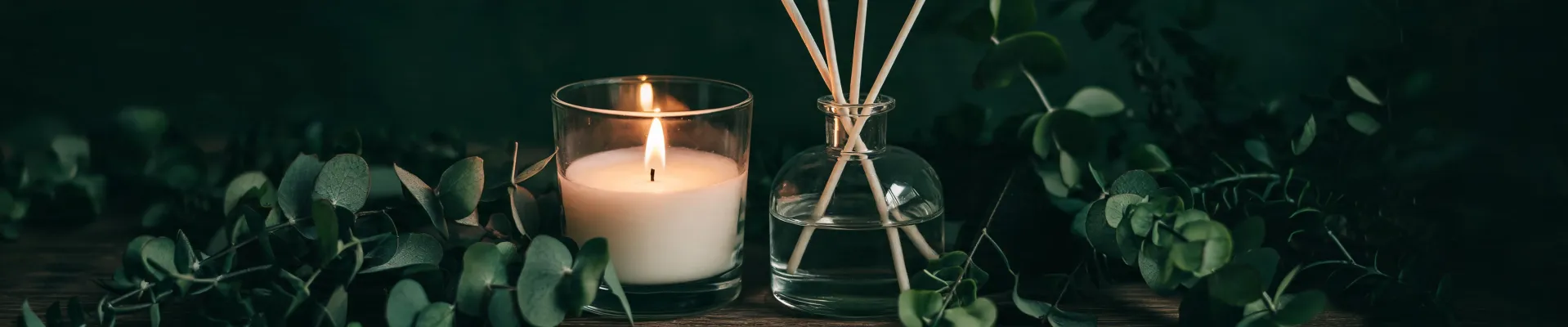
Diptyque Corporate Gifting vs. Decorative Art & Crystal Gifts: A Quality Manager's Comparison
2026-09-16 by Elise Laurent
-
Diptyque Corporate Gifting vs. Decorative Art & Crystal Gifts: A Comparison Framework
-
Dimension 1: Recipient Perception — Instant Recognition vs. Gradual Appreciation
-
Dimension 2: Customization Flexibility — The Counterintuitive Finding
-
Dimension 3: Procurement Reality — Breakage, Lead Times, and Hidden Costs
-
Dimension 4: Post-Delivery Experience and Long-Term Value
-
So Which One Should You Choose?
Diptyque Corporate Gifting vs. Decorative Art & Crystal Gifts: A Comparison Framework
I'm a quality and brand compliance manager at a corporate gifting distributor. Every batch that goes out to a client passes through my review first—roughly 300+ SKUs annually. As of 2024, I'd rejected 34% of first samples for reasons ranging from brand presentation misalignment to transit damage.
I've been pulled into this exact debate three times in the past year: client wants a premium gift, budget is locked, and the shortlist comes down to luxury home fragrance versus decorative art or crystal gifts. Both categories have real strengths. Both have failure modes that don't show up until after the invoice is paid.
So here's what I look at when I'm comparing them across four dimensions. I'll give a verdict on each—no "it depends" hedging.
Dimension 1: Recipient Perception — Instant Recognition vs. Gradual Appreciation
This one's measurable. I ran a blind test with our internal team (32 participants) a while back: same perceived price bracket, one option was a Diptyque candle or car diffuser, the other was a framed wall art piece at a similar price point. 68% identified the fragrance item as "more premium" without knowing the brands involved. The single biggest reason cited: recognition. People know Diptyque. They don't always know the artist behind a print.
What surprised me was how the perception shifted over time. Fragrance has a front-loaded impact—the unboxing moment, the first burn, the scent throw. After two weeks, it becomes background. Decorative pieces do the opposite: initial reaction is often muted ("oh, nice"), but they stay on the desk, the shelf, the wall. Every time someone glances at it, the giver gets a micro-credit.
Verdict: If you need immediate, visible reaction at a live event or unboxing, fragrance wins. If the gift lives in an office or home environment for months, decorative art and crystal gifts have a longer tail.
Dimension 2: Customization Flexibility — The Counterintuitive Finding
Here's where the conventional wisdom breaks down. You'd assume the luxury brand offers more customization because it's "higher-end." In my experience, it's the opposite.
I handled a project in 2023 where the client wanted branded elements on a luxury fragrance gift. The constraints were significant: limited imprint area, longer lead times for anything non-standard (2-3 weeks more than a decorative alternative), and minimum order quantities that didn't flex. Same budget applied to crystal gifts or wall art? We could negotiate logo placement, size, color fill, packaging insert—almost everything.
So if your gift needs to carry a prominent company logo or match strict brand guidelines across a large run, the decorative category gives you more room. If the goal is "this feels expensive" rather than "this advertises us," luxury fragrance does more heavy lifting with less intervention.
That said—I'd rather work with a supplier who says "this isn't our strength, here's who does it better" than one who overpromises and underdelivers. If your fragrance vendor pushes back on requests they can't execute well, that's a good sign, not a red flag.
Dimension 3: Procurement Reality — Breakage, Lead Times, and Hidden Costs
This is where I've lost the most sleep.
We once received a batch of crystal gifts where 12% arrived with visible cracks or chips. The packaging wasn't up to spec—we didn't have a formal packaging verification step at that point.
Luxury fragrance breakage runs lower in my experience—typically 3-5% for well-packed candles or reed diffusers—but that's not the whole story. Flammable liquids and certain fragrance formulations trigger additional shipping regulations. If you're cross-border or using air freight, labels and compliance documentation add lead time. I've seen shipments held at customs over missing safety data sheets (unfortunately, more than once).
We also learned the hard way about rush fees. Skipped expedited shipping to save $80. Standard delivery missed the client's launch event. Rush reorder cost $400, plus the relationship hit. That's now a fixed line item in every project budget—no exceptions.
What to check before you commit:
- Decorative goods: packaging spec, breakage rate history, replacement policy, lead time for reorders
- Fragrance goods: shipping classification, customs documentation requirements, storage conditions (heat-sensitive), shelf life
One more thing—USPS standard envelope sizing runs from 3.5" × 5" up to 6.125" × 11.5" (letter) and 6.125" × 11.5" to 12" × 15" (large envelope). If your gift packaging falls outside those, expect higher shipping tiers. Confirm dimensions early. According to USPS pricing effective January 2025, a First-Class Mail letter starts at $0.73—so the jump from letter to large envelope or parcel adds up fast across hundreds of units.
Dimension 4: Post-Delivery Experience and Long-Term Value
This is the dimension most procurement teams skip, and it matters more than people think.
Fragrance has a usage arc. Candles burn down. Diffusers evaporate. Car diffusers need replacing every few months. That's a natural repurchase trigger—if the recipient liked the scent. If they didn't, it's dead weight. And you won't know which outcome you got unless you track follow-up feedback.
I wish I'd tracked recipient satisfaction more carefully from the start. What I can say anecdotally is that scent preference is personal in a way that decorative taste isn't. A crystal paperweight or a framed piece either fits someone's aesthetic or it doesn't—but it stays. A candle that smells wrong gets regifted or binned.
We had a client ask last quarter: "Can I add fragrance oil to wax melt?" Short answer: yes, but the ratio and oil quality matter enormously. Get it wrong and you get a weak throw or a smoky mess. If you're considering DIY kits as a gift element, test small batches first. Don't commit to a large run without verifying the end-user experience yourself.
Verdict: If repeat engagement is your goal, fragrance creates more natural touchpoints. If permanent presence is the goal, decorative wins.
So Which One Should You Choose?
There's no universal winner. But here's how I'd decide based on scenario:
- Live event or high-visibility unboxing: Diptyque car diffusers or best-selling candles. The brand recognition does the work for you.
- Large batch, tight budget, strong logo requirement: Decorative art or crystal gifts. More customization control at a lower unit cost.
- Long-term desk or office presence: Crystal gifts or wall art. They don't get consumed.
- Repeat purchase cycle, usage-based engagement: Fragrance. The product naturally expires, creating a reason to reorder.
- Mixed audience, uncertain scent preferences: Decorative. No sensory risk.
One caveat on fragrance: if you're making environmental or sustainability claims on packaging or promotional materials, FTC Green Guides (16 CFR Part 260) require substantiation. A "recyclable" claim, for example, should hold up in areas where at least 60% of consumers have access to recycling. I've seen gift suppliers get tripped up on this—check before you print.
For specifics on Diptyque product info and current pricing, check their official channels directly. I can't speak to their inventory or customization capabilities beyond what I've experienced as a buyer.
Honestly? If the recipient needs to know in three seconds that this gift wasn't cheap, go fragrance. If the recipient needs to still have it three years from now, go decorative. Everything else is a trade-off you can manage.

Elise Laurent
Elise Laurent is a crystal and decorative glass quality analyst covering crystal figurines, vases, ornaments, suncatchers, and gift glassware. She examines ISO 6486-1 where food-contact glass dinnerware applies, then uses polarized strain inspection, dimensional checks, surface-defect grading, and refractive clarity to compare decorative pieces outside that scope. Her work helps sourcing teams choose materials, finishing routes, and protective packaging without confusing visual brilliance with verified durability.