Diptyque Candle Wick Trimmer vs. Glass Figurine: A Corporate Gift Buyer's Honest Comparison
2026-08-27 by Elise Laurent
I'm the office administrator for an 80-person firm. I manage about 60-80 orders a year across office supplies and corporate gifts, which basically means I'm the person who gets blamed when a shipment is late. When I took over purchasing in 2020, one question kept coming up: should we send a luxury gift that gets used, or a branded object that stays on a desk? In our 2024 vendor consolidation project, I put two gift concepts head-to-head: a diptyque candle set with the diptyque candle wick trimmer, and a custom glass figurine. This comparison is based on orders we actually sent, not a brochure.
Why compare these two?
The comparison isn't 'luxury candle vs. desk object.' It's two messages. A home fragrance gift says 'we thought about your space.' A glass figurine says 'we thought about your desk.' Both can be appropriate. The question is which one you want to be remembered for.
Dimension 1: The unboxing moment
Let's start with the opening. Why does this matter? Because the first ten seconds of opening a gift set the tone for the whole relationship.
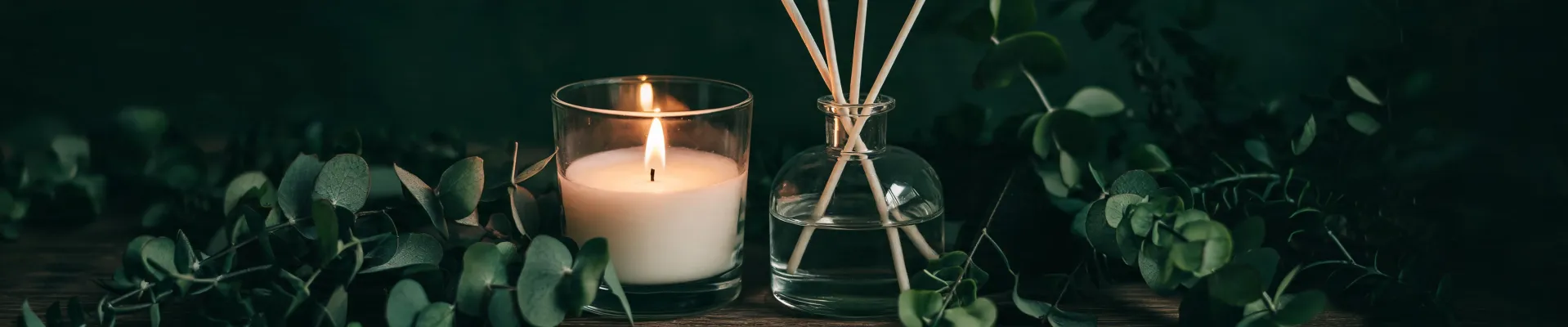
A diptyque candle is a predictable luxury. The box is simple, the oval jar is iconic, and the scent is immediately present. The wick trimmer adds something unexpected. It's a solid, angled tool that makes the whole set feel like a ritual kit rather than a single product. Clients notice it.
The diptyque figuier candle reviews I read before ordering were almost annoyingly glowing. Then I lit one. Green, woody, milky is the best way to describe it. It smells like fig leaves and a little bit of tree sap. Not sweet, not floral. For a corporate environment, that's a plus.
The glass figurine, if done well, is also impressive. It's heavier, it's visual, and it can be molded around a brand story. But the first impression depends more on the factory's quality control than the design file. A slight color shift changes the whole look.
First dimension verdict: diptyque wins on sensory memory. Glass wins on logo visibility.
Dimension 2: Daily use vs. permanent shelf
Here's the thing: the wick trimmer is not a gimmick. Regular scissors can trim a wick, but it's awkward around the rim of the jar. The angled head of the diptyque candle wick trimmer makes it easier to trim to a reasonable length and catch the little black tip. That tip turns into soot if it falls into the wax.
A candle is used. It creates light, smell, and a sense of someone's home. A glass figurine sits. That can be good—some clients keep figurines on their desks for years. But some end up in drawers, and nobody knows what to do with them.
At our internal gift review, employees rated the diptyque set higher on 'I would actually use this.' That surprised me because the figurine looked more impressive in the mockup.
Unexpected conclusion: the wick trimmer was the reason this gift felt intentional. I didn't expect the tool to be the most persuasive part. But when you hand someone a candle and a tool made for that candle, it sends a message.
Dimension 3: Branding and customization
Glass figurines are better for visible branding. You can color-match to Pantone, add a logo, choose a finish. But color matching requires discipline. Pantone's guidelines treat Delta E under 2 as the target for brand-critical colors. A difference greater than 4 is visible to most people. I learned this the hard way.
Diptyque is more restrictive. In our experience, the box stays clean; the name on the label is diptyque, not ours. You can add a card or a ribbon, but you won't get a logo-printed jar. If you buy in bulk, you also need to think about consistency. Glass figurine colors can vary between production runs. That doesn't happen with a candle in an oval jar.
On logo visibility, glass figurine. On brand taste, diptyque.
Dimension 4: Ordering, quality control, and hidden costs
This is where I have a ton of opinions. Custom glass figurines have hidden costs, and I have the invoice scars to prove it.
I assumed 'same specifications' meant identical results across two vendors. Didn't verify. One factory's emerald green was a different color, and the sample approval turned out to be a best-case version, not the production standard. We rejected the batch. That was a painful lesson. The lesson wasn't to avoid custom glass. It was to verify the actual Pantone reference and ask for a Delta E reading before approving.
Diptyque is more predictable. The candle is the candle. The wick trimmer is the same every time. The main variables are shipping and breakage, which you can manage with packaging. The checklist: sample approved, production verified, delivery date confirmed. In that order. If any one of those is missing, the cost estimate was wrong.
Also, watch out for greenwashing. A supplier once described a candle as 'clean' and 'recyclable.' Per FTC guidelines (ftc.gov), environmental claims need substantiation. The FTC Green Guides are particularly specific about 'recyclable' because it depends on access to recycling facilities. We asked for proof. It never came.
Shipping is another hidden line item. According to USPS pricing (usps.com/stamps), First-Class letter rates are $0.73 for 1 oz as of January 2025, but neither a candle nor a glass figurine fits in a letter envelope. Budget for parcel shipping.
Cost conclusion: luxury gift has a higher sticker price. Custom gift has more surprise costs.
The weird search detour: what is the biggest diamond painting?
While researching this piece, I saw a search query pop up repeatedly: what is the biggest diamond painting? I'll answer it quickly because it's not a gift you should order.
The answer depends on how you measure. Some record attempts use total square area; others use number of drills. Either way, the biggest diamond paintings are custom installation pieces, not catalog products. They take months to complete and don't belong in a corporate gift budget. If you're thinking about diamond painting as a team activity, a standard 50x70 centimeter canvas is already a big commitment. A 40x40 centimeter kit is enough for a Friday afternoon.
So, which one should you buy?
Choose the diptyque candle and wick trimmer if you want the person to feel appreciated. The candle gets used. The diptyque figuier candle reviews are not exaggerated—Figuier is a safe, nonpolarizing scent for offices. The wick trimmer makes the gift feel considered.
Choose the glass figurine if you need a permanent branded object and you have time for samples, Pantone matching, and quality control. It can be a beautiful artifact. But it is not an easy gift.
I have mixed feelings about this. On one hand, glass figurines have a longer physical life. On the other, a candle's scent memory is longer than a desk object's novelty. My current compromise: order half the figurines, use the savings to buy diptyque sets for a smaller list. It's worked twice.
I've sent both. If the recipient is a C-suite client, I choose diptyque. If the recipient is a sales prospect we want to remember our logo, I choose a small glass figurine.
Bottom line: A glass figurine says 'we branded this for you.' A diptyque candle says 'we imagined you at home.' For corporate gifts, I'd rather be the second.

Elise Laurent
Elise Laurent is a crystal and decorative glass quality analyst covering crystal figurines, vases, ornaments, suncatchers, and gift glassware. She examines ISO 6486-1 where food-contact glass dinnerware applies, then uses polarized strain inspection, dimensional checks, surface-defect grading, and refractive clarity to compare decorative pieces outside that scope. Her work helps sourcing teams choose materials, finishing routes, and protective packaging without confusing visual brilliance with verified durability.